 blog
blog
Heavy Duty Training Gear UK: What Lasts in 2026
Table of Contents
- What Makes Heavy Duty Training Gear Worth Buying
- How to Choose Durable Workout Gear That Survives Real Training
- Durable Gym Clothing UK Buyers Should Look For
- Gym Clothing for Strongman Training and Grappling Sports
- Heavy Duty Training Gear vs Fast Fashion Gymwear
- Why Heavy Duty Training Gear Costs More (And When It Pays Off)
- Building a Heavy Duty Training Wardrobe That Lasts
- Conclusion: Gear That Matches Your Discipline
- Frequently Asked Questions
Last Updated: October 4, 2026
What Makes Heavy Duty Training Gear Worth Buying
Heavy duty training gear is clothing built to survive years of hard use rather than a single season of gym selfies. It uses heavier fabrics, reinforced stitching and cuts designed for movement under load. At Russ Club, we build our range around exactly that idea: kit that holds up whether you are pulling a deadlift or walking the dog.
That distinction matters more than most shoppers realise. A common mistake is judging gymwear by how it looks on the hanger. Look at the seams instead. Look at the fabric weight. Look at whether the cut allows a deep squat without the waistband rolling down mid-set.
The Difference Between Heavy Duty and Standard Gym Kit
Standard gymwear is designed for a season. Heavy duty training gear is designed for a training career.
The difference shows up in three places: fabric density, seam construction and fit tolerance. Standard kit often uses thin, stretchy blends that feel soft in the shop and lose shape after a few dozen washes. Durable kit uses denser knits and flatlock or bar-tacked seams that resist pulling apart under tension.
If you train four or five times a week, that gap becomes obvious within months. The cheap stuff fades, pills and sags. The heavy stuff just keeps going.
How to Choose Durable Workout Gear That Survives Real Training
Choosing durable workout gear comes down to three checks: fabric weight, seam construction and whether the fit actually moves with you. Get those right and you will rarely replace a piece before you have genuinely worn it out.
Most people skip these checks because they shop with their eyes. Here is what to look at instead.
Fabric Weight, Stitching and Seam Construction
Fabric weight describes how heavy the material is per square metre. Heavier knits resist stretching out and hold their shape through repeated washing.
Look for these markers of quality construction:
- Flatlock seams, which sit flat against the skin and reduce chafing
- Double-stitched or bar-tacked stress points at shoulders, crotch and hems
- Reinforced gussets in shorts and joggers for unrestricted movement
- Dense, opaque fabric that does not go see-through when stretched
A quick test: hold the fabric up to light. If you can see your hand clearly through it, it will not survive heavy training.
Fit and Movement for Lifters Over 40
Fit matters more as you get older, not less. Bodies change, recovery slows, and clothing that restricts movement makes every session harder than it needs to be.
The right fit for a lifter over 40 prioritises:
- A waistband that stays put without digging in
- Shoulder seams that allow full overhead reach
- Enough room through the thigh for a deep squat
- Length that does not ride up during floor work
Durable Gym Clothing UK Buyers Should Look For
Durable gym clothing in the UK market tends to share a set of practical features: heavier cotton-rich or technical blends, reinforced seams and cuts that work across training styles. The label matters less than the construction.
What most guides miss is that durability is a system, not a single feature. A heavy fabric with weak stitching fails. Strong stitching on flimsy fabric fails. You need both, plus a fit that does not stress the garment in the first place.
When you are comparing options, ask yourself one question: will this still look and perform the same in two years? If the answer is uncertain, keep looking.
Gym Clothing for Strongman Training and Grappling Sports
Strongman and grappling place the heaviest demands on clothing of any discipline. Loaded carries, atlas stone work, rolling and grip fighting all pull fabric in directions a standard gym session never will.
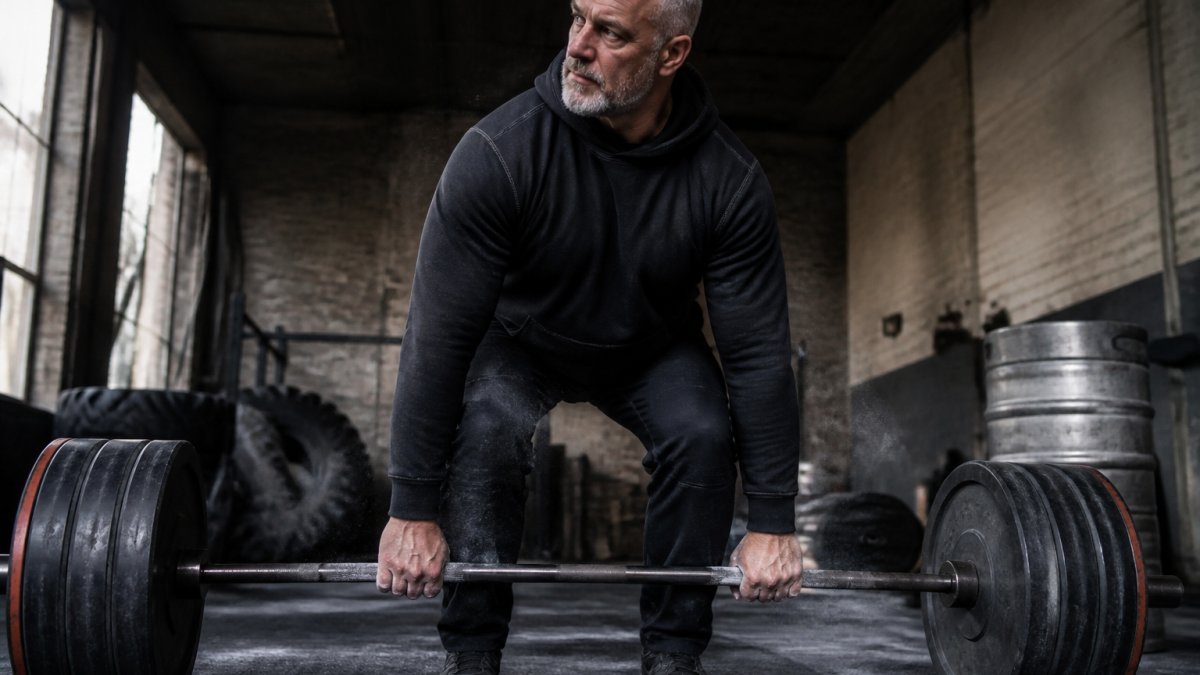
For these sports, prioritise:
- Non-slip waistbands that survive constant contact with the floor
- Reinforced knees and seat panels
- Fabric with enough weight to resist tearing under grip pressure
- Flat seams that will not rub raw during long rolls
This is where cheap kit gives up fastest. If you roll or carry heavy implements several times a week, the seams on standard gymwear will start to fail within months. For a general overview of how clothing standards are set, the British Standards Institution guidance on textile testing is a useful reference point.
Heavy Duty Training Gear vs Fast Fashion Gymwear
The gap between heavy duty training gear and fast fashion gymwear is not about branding. It is about how many training sessions each piece is built to survive.
Fast fashion gymwear is priced for impulse. It is designed to look current for a season, then be replaced. Heavy duty kit is priced for longevity. It is designed to be worn for years across gym, mat and everyday life.
Here is how the two compare on the factors that actually matter:
| Factor | Fast Fashion Gymwear | Heavy Duty Training Gear |
|---|---|---|
| Fabric weight | Light, thin knits | Dense, heavier knits |
| Seam construction | Single-stitched | Flatlock, reinforced |
| Lifespan | One season | Several years |
| Fit retention | Loses shape quickly | Holds shape |
| Cost per wear | High | Low |
That last row is the one people miss. A cheaper item replaced three times costs more than one durable piece bought once.
Why Heavy Duty Training Gear Costs More (And When It Pays Off)
Heavy duty training gear costs more because better materials and construction cost more to produce. Heavier fabric, reinforced seams and proper pattern work all add to the price. There is no way around that.
The question is when the extra spend pays off. It pays off if you train consistently, if you train hard, and if you want clothing that works outside the gym too. It pays off less if you train occasionally and replace kit rarely anyway.
At Russ Club, we price for the long haul rather than the impulse buy. Our pieces are built for people who intend to still be training in five years, not five weeks.
Building a Heavy Duty Training Wardrobe That Lasts
A durable training wardrobe starts small and grows deliberately. You do not need twenty pieces. You need a handful that each earn their place.
Start with these core items:
- Two pairs of reinforced training shorts for lifting and general sessions
- One pair of grappling-specific shorts or joggers if you roll
- Three to four heavy cotton or technical tees
- One hoodie or midlayer that works from gym to street
- One pair of joggers durable enough for both training and daily wear
Build around versatility. Every piece should work in more than one setting. That is how a small wardrobe covers everything without constant replacement.
For context on how clothing durability is assessed more broadly, the Waste and Resources Action Programme guidance on extending clothing life is worth reading.
Conclusion: Gear That Matches Your Discipline
The gear you train in should match the discipline you bring to training. If you show up consistently and put in the work, your clothing should be built to keep up rather than fall apart around you.
Russ Club exists for exactly that kind of athlete. Our British-made range focuses on durable construction, versatile cuts that work from gym to daily life, and designs built around grit and discipline rather than fleeting trends. Free delivery applies on orders over £40.
Get started with Russ Club and build a training wardrobe that lasts as long as your commitment does.
Frequently Asked Questions
What defines 'heavy duty' gymwear?
Heavy duty gymwear uses thicker fabrics with reinforced stitching at stress points like shoulders, crotch and knees. The seams are often flatlock or double-stitched rather than single-stitched, and the fabric blends include more cotton or elastane for shape retention. This construction means the garment holds up through repeated washing, heavy sweating and the friction of barbells, kettlebells or grappling mats without losing shape or splitting.
How does heavy duty gear differ from standard gym apparel?
Standard gym apparel often prioritises looks and low cost, using thin polyester blends that pill, fade or tear within months. Heavy duty training gear focuses on construction: tighter knit density, bar-tacked stress points and fabrics tested for abrasion. For anyone doing strongman, powerlifting or BJJ, this difference shows up fast. The gear costs more upfront but typically lasts longer, which works out cheaper per wear over a year of consistent training.
Is heavy duty training gear worth the investment?
If you train consistently, yes. Cheap gymwear often needs replacing regularly, while durable gym clothing UK buyers rate highly can last significantly longer with proper care. The maths favours heavier gear when you factor in replacement costs and the annoyance of kit failing mid-session. For casual gymgoers, standard gear is fine. For anyone serious about lifting or grappling, the investment pays for itself.
What should I look for in training gear for powerlifting and strongman?
Check fabric weight first: a substantial weight will perform better with repeated barbell contact. Look for flatlock seams that sit flat against the skin, reinforced gussets in the crotch and underarms, and a fit that allows full range of motion without riding up during deadlifts or overhead presses. Cotton-elastane blends work well for breathability and stretch. Avoid anything with large printed logos on high-friction areas, as these crack and peel long before the fabric wears out.