 how-to
Why Gym Clothes Lose Shape: Prevention and Care
Table of Contents
- Why Gym Clothes Lose Shape: The Main Causes
- How to Wash Gym Clothes Properly
- How to Dry Activewear Without Damaging It
- Why Leggings Lose Elasticity Over Time
- Activewear Fabric Recovery: Can Shape Return?
- How Long Should Gym Clothes Last?
- Frequently Asked Questions
Last Updated: October 5, 2026
Why Gym Clothes Lose Shape: The Main Causes
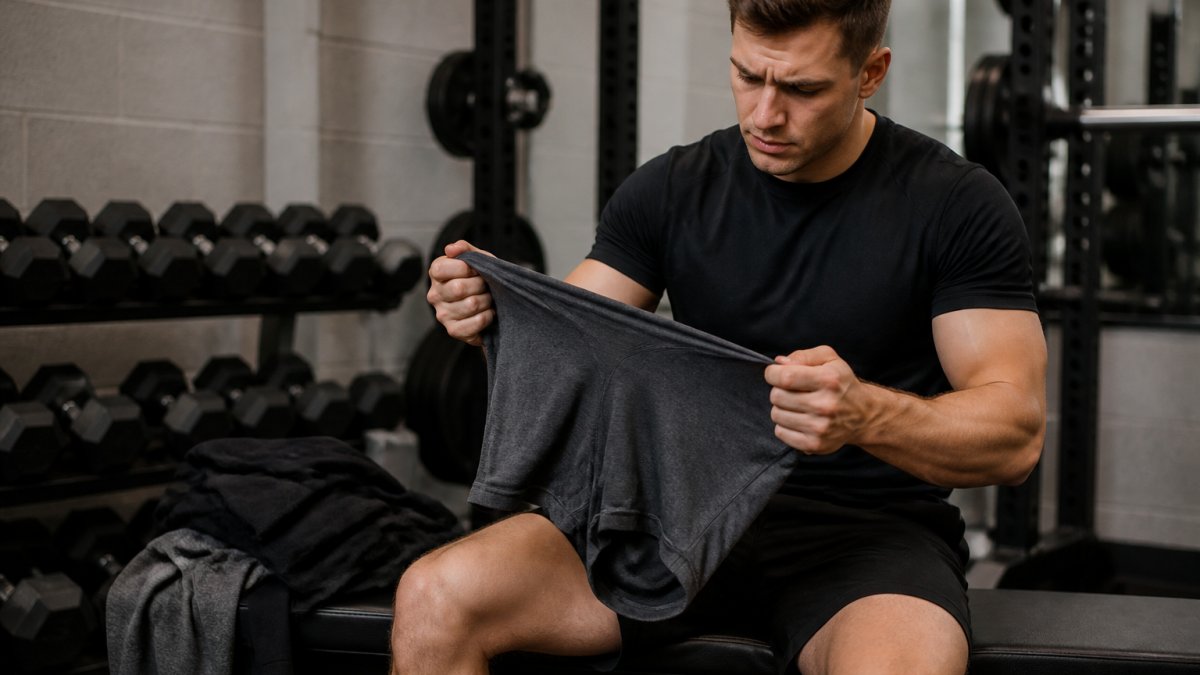
Gym clothes lose shape because of how synthetic fibres respond to repeated stress, heat, and moisture. Understanding why this happens is the first step to protecting your investment in quality activewear.
Your workout gear faces three main enemies: the materials themselves, the physical demands you place on them, and how you care for them afterwards. Most people focus on washing and drying. But the real damage often starts before you even take your clothes off.
Material breakdown and synthetic fibres
Modern gym clothes use synthetic fibres like polyester, nylon, and elastane (Lycra). These materials stretch and move with your body, which is brilliant for performance. But they're not designed to bounce back forever.
Elastane is the culprit in most cases. This fibre gives your leggings and tops their stretch. Over time, elastane loses its molecular structure. Heat, sweat, chlorine, and UV light all accelerate this breakdown. A single pair of leggings might lose noticeable elasticity within 6-12 months of regular training.
Polyester and nylon are more durable. But they still degrade. Repeated friction breaks down the fibre surface. Sweat and detergent residue weaken the bonds between fibres. The result is fabric that feels thin, baggy, and tired.
Repeated stretching during intense training
Every squat, deadlift, and grappling session stretches your gym clothes. This is what they're made for. But there's a limit.
Elastane fibres have memory, they're designed to return to their original shape. But this memory weakens with repetition. Think of it like a rubber band. Use it once, it snaps back. Use it a thousand times, and it stays slightly stretched.
Intense training accelerates this wear. Grappling and BJJ are particularly demanding. Your gear gets pulled, twisted, and compressed in ways regular gym training doesn't require. The seams, hems, and stretched panels take the most punishment.
This is why leggings often lose shape at the waistband and thighs first. These areas absorb the most stress during movement.
Heat damage from washing and drying
Heat is a silent killer for synthetic fabrics. High temperatures break down elastane and polyester at the molecular level. This happens faster than most people realise.
Many people throw gym clothes in the washing machine with hot water. Then into the tumble dryer on high heat. This combination can damage activewear in just a few washes.
Heat also sets stains and odours permanently into synthetic fibres. Once the damage is done, no amount of rewashing will fix it. The fabric has changed at a chemical level.
How to Wash Gym Clothes Properly
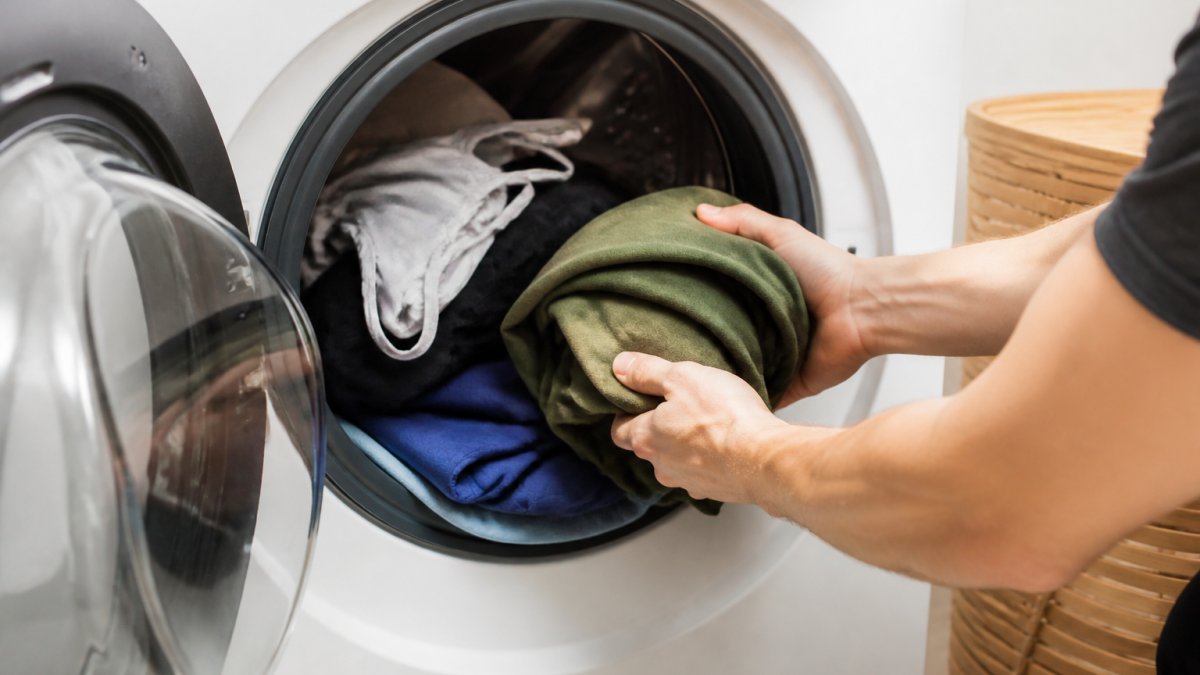
Washing gym clothes correctly extends their lifespan by months. The goal is to remove sweat and bacteria without damaging the fibres.
Water temperature and detergent choices
Cold water is your best friend. Wash gym clothes in water no warmer than 20-30°C. Cold water cleans effectively whilst protecting elastane and polyester from heat damage.
Choose a detergent designed for delicate fabrics or activewear. Standard detergents contain harsh chemicals and enzymes that break down synthetic fibres. Specialist detergents are gentler and often include ingredients that help preserve elasticity.
Avoid fabric softeners. They coat synthetic fibres and trap moisture, which accelerates odour and degradation. Skip them entirely.
Use less detergent than you think you need. Residue left in the fabric weakens the fibres and traps bacteria that cause smell. A small amount in cold water cleans better than a large amount in warm water.
Washing machine settings for activewear
Use a gentle or delicate cycle. This reduces agitation and friction, which wear down fibres faster. A standard cycle is too harsh for gym clothes.
Turn your clothes inside out before washing. This protects the outer surface from friction against other fabrics and the machine drum. It's a simple step that makes a real difference over time.
Wash gym clothes separately from heavier items like jeans or towels. The friction between different fabric weights causes pilling and fibre breakdown. Keep activewear with other lightweight, delicate items.
Don't overload the machine. Clothes need space to move freely. A crowded load creates friction and prevents proper rinsing, leaving detergent residue that weakens fibres.
How to Dry Activewear Without Damaging It
Drying method matters more than most people realise. The wrong approach can undo all the care you took during washing.
Air drying versus tumble drying
Air drying is the gold standard for gym clothes. Hang items on a washing line or drying rack in a cool, well-ventilated space. Avoid direct sunlight, which fades colours and damages synthetic fibres through UV exposure.
Air drying takes longer, typically 24-48 hours depending on humidity and airflow. But your clothes will last significantly longer. The gentle process preserves elasticity and prevents heat damage.
If you must use a tumble dryer, use the lowest heat setting available. Better yet, use an air dry or no-heat setting if your dryer has one. Never use high heat. The damage happens fast and is permanent.
Many people don't realise that tumble drying causes more shape loss than washing does. Heat shrinks elastane and weakens polyester fibres. A few cycles in a hot dryer can age gym clothes by months.
Proper hanging and storage techniques
Hang leggings and tops by the waistband or shoulders. Never hang by the hem or stretched areas, as gravity will pull the fabric further out of shape.
Store gym clothes in a cool, dry place. Moisture encourages bacteria growth and weakens fibres. A dark cupboard is better than a sunny shelf.
Fold rather than hang items you're not drying. Hanging for extended periods stretches fabric under its own weight. Fold and stack instead.
Avoid storing damp gym clothes. Always ensure items are completely dry before putting them away. Trapped moisture creates mildew and accelerates fibre breakdown.
Why Leggings Lose Elasticity Over Time
Leggings are the most visible casualty of improper care. They stretch, lose shape, and end up looking baggy after a few months. This happens to everyone, but it happens faster to some people.
Leggings lose elasticity because of elastane breakdown. The waistband and thigh panels are the first to go. These areas experience the most stress during squats, lunges, and other compound movements.
Washing in warm water accelerates this process. So does tumble drying. Sweat also breaks down elastane faster than you'd expect. The combination of physical stress, heat, and chemical exposure creates a perfect storm for shape loss.
Quality leggings use higher-grade elastane and better construction. The waistband won't roll down after two months. The thighs won't bag out during intense training. But even premium leggings lose shape eventually, it's just a matter of time and care.
How long your leggings stay in shape depends on three factors: the quality of the original material, how often you wear them, and how you wash and dry them. A pair worn three times a week will lose shape faster than one worn once a week. And a pair washed in hot water and tumble dried will degrade in half the time of one cared for properly.
Activewear Fabric Recovery: Can Shape Return?
Once gym clothes lose shape, can you get that shape back? The honest answer is: not fully.
Elastane doesn't recover permanently once it's degraded. You might be able to temporarily restore some shape through careful washing and air drying. But the underlying damage is permanent.
Some people try to shrink stretched leggings back to size using heat. This sometimes works temporarily. But it weakens the fibres further and makes future shape loss worse. It's a short-term fix with long-term costs.
The best you can do is slow down further degradation. Proper washing and drying will prevent additional shape loss. But the stretched-out waistband or saggy thighs won't return to how they looked when new.
This is why prevention is so much more valuable than recovery. Protect your gym clothes from the start, and you'll keep them looking and feeling good for much longer.
How Long Should Gym Clothes Last?
Quality gym clothes should last 12-24 months with regular use and proper care. Some pieces last longer. Others wear out faster depending on how demanding your training is.
Leggings typically last 12-18 months. Tops often last 18-24 months. Sports bras, which experience more stress, might last 9-12 months. These timelines assume you're training 3-5 times per week and caring for your clothes properly.
Intensive training like BJJ and grappling shortens these timelines. Your gear gets pulled, compressed, and stressed in ways standard gym training doesn't require. Expect leggings to lose noticeable shape after 6-9 months of regular grappling.
Fast fashion gym clothes often fail within 3-6 months. The materials are thinner, elastane content is lower, and construction is weaker. You might save money upfront, but you'll replace them more often.
Quality activewear is built to last longer. Better materials, higher elastane content, and superior construction mean your clothes maintain their shape and performance for the full 12-24 month window, sometimes longer.
The reason gym clothes lose shape comes down to materials, stress, and care. Elastane fibres degrade. Synthetic fabrics weaken under heat and friction. But you control most of these factors.
Wash in cold water. Use a gentle cycle. Air dry whenever possible. Store properly. These simple steps keep your gym clothes looking and feeling good for months longer than careless treatment would. Quality activewear is designed to handle intense training and repeated wear, but only if you protect it with proper care. Shop our durable gymwear collection and get free delivery on orders over £40.
| Care Method | Impact on Shape | Time to Degrade |
|---|---|---|
| Cold water + air dry | Minimal | 18-24 months |
| Cold water + low heat dry | Low | 15-20 months |
| Warm water + air dry | Moderate | 12-15 months |
| Warm water + high heat dry | Severe | 6-9 months |
Frequently Asked Questions
Why do gym clothes lose their shape after a few months?
Gym clothes lose shape due to a combination of factors: repeated stretching during intense training, heat damage from hot water and tumble drying, and the natural degradation of synthetic fibres over time. Elastane and polyester, common in activewear, gradually lose their ability to snap back after being stretched. Poor washing practices and inadequate Drying methods accelerate this process significantly.
Does washing gym clothes in hot water damage the elastic?
Yes, hot water damages elastic fibres in activewear. High temperatures cause the elastane to weaken and lose its recovery properties more quickly. Wash gym clothes in cool or cold water (around 20-30°C) instead. This preserves the elastic better and prevents premature stretching. Always check the care label, but cold water is the safest choice for extending the life of your gym clothes.
Can activewear fabric recover its shape after stretching?
Limited recovery is possible if damage is recent and minor. If gym clothes are stretched slightly, they may regain some shape after a few hours of rest. However, once elastic fibres are permanently damaged, they cannot fully recover. This is why prevention through proper washing, drying, and care is far more effective than trying to restore stretched-out pieces.
How often should you replace gym leggings?
Well-maintained gym leggings typically last 12-18 months with regular use (3-5 times per week). If you train intensely or wear them daily, expect replacement every 6-12 months. Signs it's time to replace them include visible pilling, loss of elasticity, fading, or seams coming loose. Investing in quality pieces and following proper care routines can extend this lifespan, reducing how often you need to buy replacements.