 ultimate-guide
Durable Clothing for BJJ Training: A 2026 Guide
Table of Contents
- Why Durable Clothing for BJJ Training Matters
- What to Wear to No-Gi BJJ: The Essentials
- Durable BJJ Rash Guards: Materials and Construction
- No-Gi BJJ Shorts: Choosing Gear That Survives the Mat
- How to Wash BJJ Rash Guards and Extend Their Life
- Key Features to Look for in Durable BJJ Apparel
- Conclusion: Invest in Gear That Matches Your Commitment
- Frequently Asked Questions
Last Updated: October 7, 2026
Why Durable Clothing for BJJ Training Matters
When you're rolling hard on the mat three times a week, your gear takes a beating that your everyday wardrobe simply doesn't experience. Durable clothing for BJJ training isn't a luxury, it's a practical investment that separates practitioners who buy new kit every few months from those who build a rotation that actually lasts.
The thing most people get wrong about BJJ apparel is assuming all activewear is created equal. It isn't. Standard gym clothing falls apart under the friction, sweat, and constant grappling that mat work demands. Seams split. Fabric pills. Elastic gives up. Within weeks, you're back at the shops.
At Russ Club, we've built our collections around a simple principle: gear should outlast your enthusiasm for training, not the other way around. That means understanding what actually matters when you're choosing what to wear to no-gi BJJ sessions, what makes a rash guard survive months of rolling, and how to care for your kit so it performs season after season.
The difference between throwaway activewear and genuine durable clothing for BJJ training comes down to three things: material choice, construction quality, and how you treat it once you own it. Get those right, and your gear becomes part of your training identity rather than a recurring expense.
What to Wear to No-Gi BJJ: The Essentials
No-gi training strips away the gi itself, which means your base layer and shorts become your primary defence against mat burn, sweat, and the general chaos of grappling without fabric to grab. What to wear to no-gi BJJ starts with understanding that you're essentially wearing a second skin.
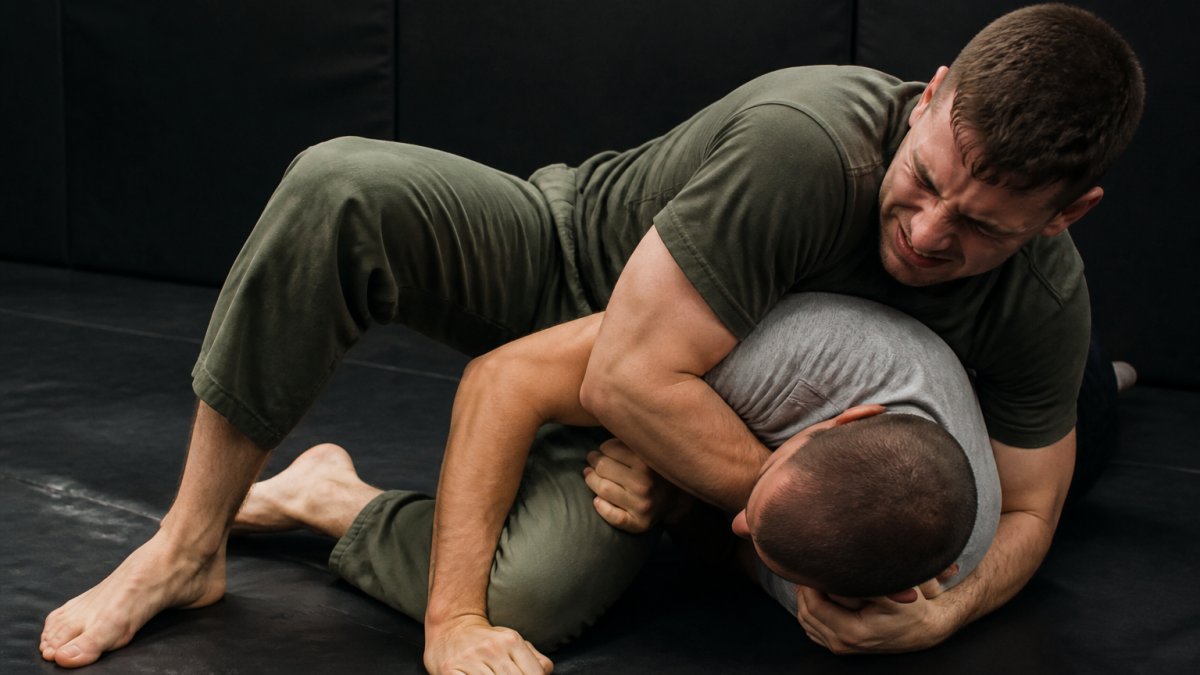
Your foundation is a quality rash guard or compression shirt. This isn't optional, it protects your skin from mat contact and keeps you dry as your opponent's sweat transfers to you (yes, really). Pair this with dedicated no-gi shorts that sit above the knee, allowing full leg mobility without excess fabric that an opponent can use against you.
The Russ Club Still Rolling Jitsu Division T-Shirt works perfectly here. It's constructed from heavyweight cotton (175-180 g/m² depending on colour) with taped neck and shoulders, giving you the durability that matters when you're training hard. The unisex fit accommodates different body types without excess material, and at £19.99, it's built for practitioners who need clothing that performs without the premium price tag of specialist compression wear.

Underneath, consider a moisture-wicking base layer if you're training in colder conditions. Over the top, nothing, you want freedom of movement and minimal fabric for your opponent to grip. This simplicity is exactly why durable clothing for BJJ training focuses on fundamentals rather than unnecessary features.
Durable BJJ Rash Guards: Materials and Construction
A rash guard lives or dies by its material composition and how it's sewn together. Durable BJJ rash guards typically use one of three main fabrics: polyester blends, nylon-based synthetics, or hybrid constructions that combine multiple fibres for specific performance benefits.
Polyester dominates the market because it dries quickly and resists pilling under friction. Nylon offers superior durability but takes longer to dry. The best durable BJJ rash guards often blend both, sacrificing slightly on dry time to gain longevity. Look for fabric weight between 180-220 g/m², anything lighter tends to show wear within months of regular rolling.
Construction matters as much as material. Flatlock stitching (where seams sit flat against your skin) outperforms standard stitching because it won't chafe and distributes stress more evenly across the seam. Reinforced shoulder panels and gusset construction (extra fabric in high-stress areas) are what separate gear that lasts from gear that doesn't.
The seams are where cheap rash guards fail first. Look for double-stitched seams or reinforced thread paths. A single line of stitching will separate after 50-100 rolling sessions if you're training regularly. Double-stitched seams can handle 200+ sessions before showing serious wear.
No-Gi BJJ Shorts: Choosing Gear That Survives the Mat
No-gi BJJ shorts need to handle explosive movement, constant friction against the mat, and the occasional submission attempt that involves gripping fabric. This is why cheap athletic shorts fail so quickly in this context, they're not engineered for grappling-specific stress.
Durable no-gi BJJ shorts use reinforced inseams and gusseted construction that allows your legs to move freely without the fabric tearing. The waistband needs serious reinforcement because it bears your entire weight when you're being controlled or controlling someone else. Look for double-layered waistbands with internal drawstrings that won't snap under pressure.
Fabric choice here leans toward nylon blends or polyester with high thread count. The shorts need to dry quickly (you'll be sweating heavily), resist pilling, and maintain their shape after dozens of washes. Seams should be flatlock or reinforced throughout, not just at stress points.
Length matters tactically. Most practitioners prefer shorts that end just above the knee, giving you full range of motion without excess fabric an opponent can grab. Anything longer becomes a liability during leg lock sequences.
How to Wash BJJ Rash Guards and Extend Their Life
How to wash BJJ rash guards properly is where most practitioners sabotage their own gear. Standard washing machine cycles destroy the structural integrity of performance fabrics through heat, agitation, and harsh detergents.
Use cold water (no hotter than 30°C) and a gentle cycle. Skip the fabric softener entirely, it coats the fibres and reduces moisture-wicking performance. A mild detergent designed for technical fabrics works best; standard laundry detergent leaves residue that breaks down elasticity over time.
Still Rolling Jitsu Division T-Shirt | The Russ Club →
Air dry completely. High heat from a tumble dryer melts synthetic fibres and degrades elastic. Hang your rash guard in a well-ventilated space, ideally out of direct sunlight (UV exposure fades colour and weakens fabric). This takes 24-48 hours but adds months to the lifespan of your gear.
Wash after every training session, not every few sessions. Sweat and bacteria break down fabric faster than regular wear does. The sooner you rinse the sweat out, the longer the material stays resilient.
For stubborn mat stains or odours, soak in cold water with a small amount of white vinegar for 30 minutes before washing. This removes bacteria without the harsh chemicals that compromise fabric integrity.
Key Features to Look for in Durable BJJ Apparel
When you're evaluating durable clothing for BJJ training, focus on these non-negotiable features. Fabric weight should be at least 180 g/m², anything lighter is designed for casual wear, not serious training. Check the fibre composition; pure polyester or polyester-dominant blends (80%+ polyester) resist pilling better than cotton-heavy blends.
Seam construction is your primary durability indicator. Flatlock stitching beats standard stitching. Double-stitched seams beat single-stitched. If the product description doesn't mention seam type, that's usually a red flag, manufacturers highlight durability features because they know practitioners care.
Look for reinforced stress points: shoulders, armpits, inseams, and waistbands. These areas take disproportionate wear during rolling. Gusseted construction (extra fabric panels in high-movement areas) is a sign the designer understands grappling-specific wear patterns.
Moisture management matters more than you'd think. Gear that dries quickly prevents bacterial growth and reduces the wear from repeated damp-dry cycles. Synthetic blends outperform cotton here; cotton absorbs moisture and takes 24+ hours to dry, creating conditions where fabric breaks down faster.
The fit should be snug without restricting movement. Loose fabric catches on opponents and the mat. Tight fabric limits your range of motion. The sweet spot is a fit that moves with your body without excess material.
| Feature | Why It Matters | Red Flags |
|---|---|---|
| Fabric Weight | Heavier fabric resists pilling and tearing | Below 180 g/m² |
| Seam Type | Flatlock and double-stitched last longer | Single-stitched seams only |
| Fibre Blend | Polyester-dominant resists wear better | 100% cotton or unknown blend |
| Reinforced Stress Points | Prevents premature failure in high-wear areas | No reinforcement mentioned |
| Moisture-Wicking | Reduces bacterial growth and fabric breakdown | Cotton-heavy or no tech specs |
| Gusseted Construction | Allows movement without tearing | Straight seams only |
Conclusion: Invest in Gear That Matches Your Commitment
The real cost of cheap BJJ gear isn't the lower initial price, it's the constant replacement cycle and the distraction of training in kit that's falling apart. Durable clothing for BJJ training pays for itself within a season because you're not buying replacements every few months.
At Russ Club, we build apparel for people who take their training seriously. The Jitsu Division Belt T-Shirt and Still Rolling Jitsu Division T-Shirt are constructed with heavyweight cotton (175-180 g/m²), taped neck and shoulders, and reinforced seams designed to survive serious mat time. Both are available in multiple colours and sizes, made to order to reduce waste, and priced at £19.99 each. With free shipping on orders over £40, building a rotation of gear you can actually trust becomes straightforward.

Shop now and get started with apparel built for grapplers who are still rolling, still putting in the work, and have no intention of fading quietly.
Frequently Asked Questions
What makes durable clothing for BJJ training different from regular gym wear?
BJJ-specific apparel is engineered to withstand friction, sweat, and repeated stress from grappling. Heavyweight fabrics (175-180 g/m²), reinforced seams, and pre-washed cotton resist tearing and pilling far better than standard activewear. The fit is also tailored for grappling movements, structured but flexible. Regular gym clothes often tear at the shoulders and seams after a few months of intense rolling.
How long should a quality BJJ rash guard last?
A well-made rash guard can last 2-3 years with proper care, even with frequent training (4-5 sessions per week). Durability depends on fabric weight, seam construction, and washing habits. Cheaper alternatives often show pilling and seam separation within 6-12 months. Investing in heavyweight cotton or blended fabrics and washing in cold water extends lifespan significantly.
Can you wear normal gym clothes to BJJ training?
Technically yes, but it's not recommended. Standard gym wear lacks the durability and fit required for grappling. Cotton t-shirts tear easily under friction; loose fits catch on opponents or your own limbs. BJJ-specific apparel is cut to stay in place during rolls and uses reinforced construction at stress points. You'll replace normal gym clothes far more often, making specialist gear more cost-effective.
What's the best way to care for no-gi BJJ shorts to keep them durable?
Wash in cold water on a gentle cycle, turn inside out to reduce fading, and air-dry rather than tumble-dry. Avoid fabric softener, which weakens fibres and reduces grip. Check seams after every 10-15 washes. Heavyweight cotton shorts with reinforced crotch and thigh seams hold up best. Proper care can double the lifespan compared to machine-drying and hot-water washing.
What fabric weight should I look for in durable BJJ clothing?
Aim for 175-180 g/m² for heavyweight cotton t-shirts and rash guards. This weight provides enough structure for training and everyday wear whilst remaining breathable. Lighter fabrics (under 150 g/m²) wear thin quickly; heavier options (over 200 g/m²) can feel stiff and overheat during intense sessions. Pre-washed heavyweight cotton is the sweet spot for durability without sacrificing comfort.
Are rash guards necessary for no-gi BJJ?
Not strictly required, but highly recommended. Rash guards reduce friction burns, protect skin from mat bacteria, and help manage sweat. They also last longer under grappling stress than bare skin contact with regular t-shirts. Many training partners prefer rolling with someone in a rash guard due to hygiene. If you train regularly, a quality rash guard is worth the investment.