 how-to
How to Choose Durable Gym Wear: A Guide
Table of Contents
- What Makes Gym Wear Durable
- Best Fabric for Workout Clothes
- Assessing Quality Before You Buy
- Durable Workout Leggings: What to Look For
- How to Wash Gym Clothes to Extend Their Life
- How to Prevent Gym Clothes from Smelling
- Fit and Comfort for Long-Term Wear
- Frequently Asked Questions
Last Updated: 12 October 2026
What Makes Gym Wear Durable
Durable gym wear is clothing built to withstand repeated washing, intense physical activity, and years of regular use without losing shape, colour, or structural integrity.
The difference comes down to three core factors: fabric weight, stitching quality, and construction method. Get these right and your gym kit outlasts trends; get them wrong and you're replacing your wardrobe every season.
Fabric weight and construction
Fabric weight, measured in grams per square metre (g/m²), is the single best predictor of durability. Heavier fabrics last longer because there's more material to wear through before failure.
Look for 150-200 g/m² in t-shirts and tops. Below 140 g/m², fabric feels thin and degrades quickly. Above 200 g/m², you gain durability but sacrifice breathability, a trade-off worth making if you train hard.
Construction matters equally. Pre-washed cotton holds its shape better because shrinking happens before you buy it.
Stitching quality and seam strength
Seams fail before fabric does. A t-shirt with weak seams splits at the shoulders or underarms long before the fabric wears through.
Strong seams use twin-needle stitching, two parallel lines of thread instead of one, doubling holding power and distributing stress evenly.
Taped neck and shoulder seams add durability: the tape sits under the seam and stops thread pulling through the fabric.
Best Fabric for Workout Clothes
Choosing the right fabric determines how long your kit lasts and how well it performs when you're training hard.
Natural versus synthetic blends
Pure cotton is durable but absorbs moisture and dries slowly. Pure synthetic (polyester, nylon) dries fast but degrades under UV light and can feel plasticky. The best durable gym wear combines both.
100% cotton suits heavy gym t-shirts.
Weight and density indicators
Heavier isn't always better, but denser always is. A heavy, loosely woven fabric fails quickly; a lightweight, tightly woven one lasts years.
Density is harder to measure than weight, so look for these signals:
- Fabric feels substantial when you hold it, not flimsy
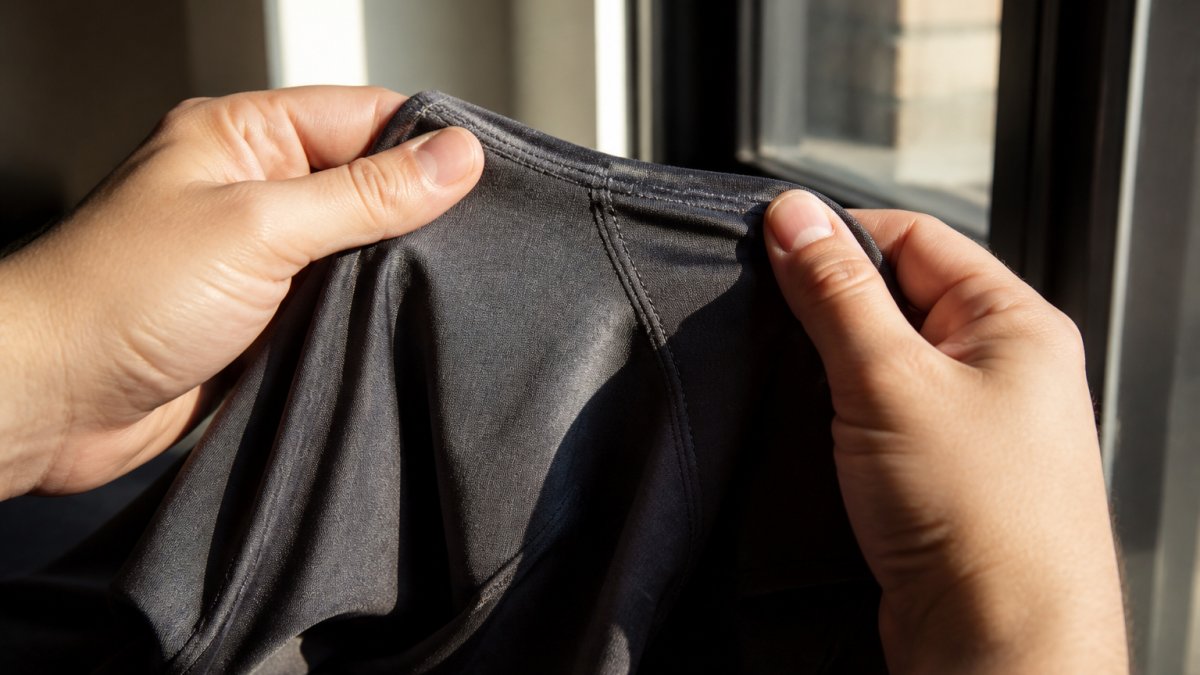
- You can't see light through it when held up to a window
- It doesn't stretch excessively when pulled (some stretch is good; too much means weak weave)
- The weave pattern is tight and even with no visible gaps
Assessing Quality Before You Buy
A few simple checks separate quality gym wear from gear that doesn't last.
Checking labels and fabric composition
Read the label before you buy; it tells you everything about durability.
The fibre content should be listed as a percentage. Look for:
- Cotton content of 75% or higher for t-shirts
Fabric weight should be listed in g/m². If it isn't, that's a red flag; brands confident in their durability list it. Buying online without it shown? Contact the seller first.
Inspecting seams and hems
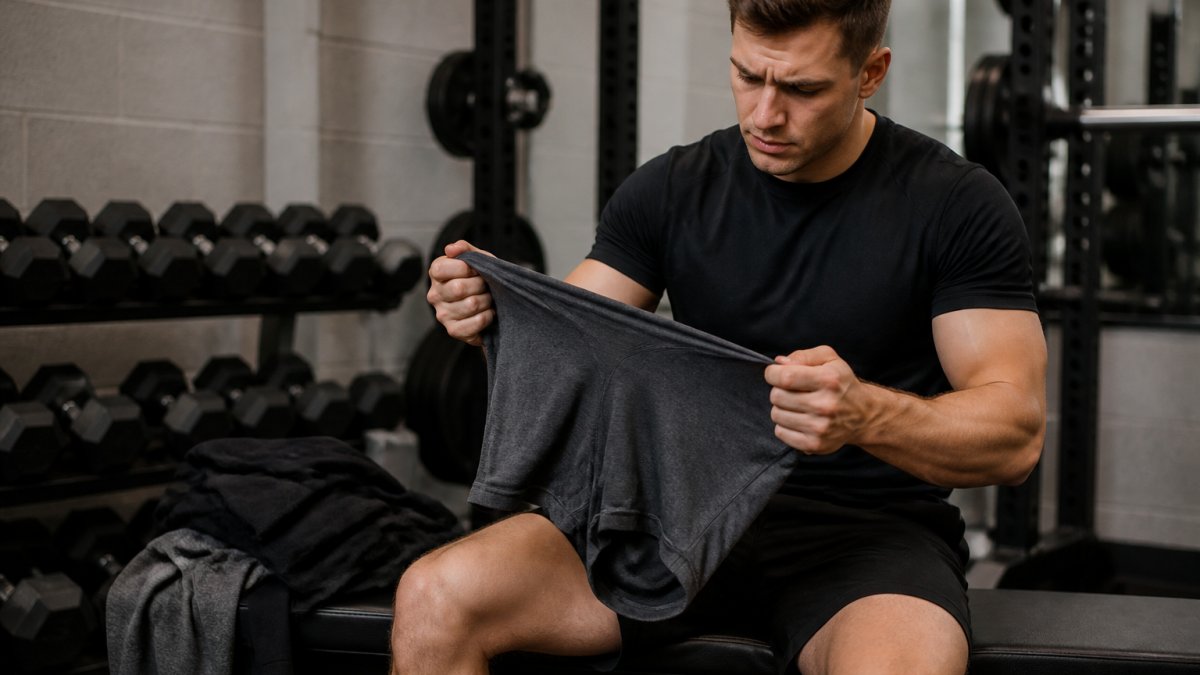
Check for puckering or bunching: puckered seams mean cheap construction and fail faster, while smooth, even seams mean fabric and thread are properly balanced.
Hems should be finished neatly with no loose threads. Check the neck binding too, it should be reinforced and sit flat.
Stretch the garment gently: it should move smoothly without seams pulling or fabric bunching. If seams pucker, the tension is wrong and they'll fail under training stress.
Durable Workout Leggings: What to Look For
Leggings take more punishment than any other gym wear, stretched, sat on, twisted, and washed constantly. Durable workout leggings need special attention.
Waistband stability and gusset construction
The rise (distance from crotch to waistband) should be high enough that the leggings don't slide down during squats or deadlifts. Mid-rise or high-rise leggings are more durable than low-rise because they distribute pressure better and don't create stress points at the hips.
Fabric recovery and pilling resistance
Pilling is when tiny balls of fibre form on the surface. It happens with all fabrics but is worse with cheap synthetics.
How to Wash Gym Clothes to Extend Their Life
Buying durable gym wear is only half the battle. How you wash it determines whether it lasts five years or falls apart in one.
Temperature, detergent and cycle settings
Wash gym clothes in cold water. Hot water breaks down elastic fibres and causes colours to fade. Cold water is gentler and just as effective for removing sweat and bacteria.
Use a mild detergent designed for athletic wear. Avoid heavy-duty detergents and bleach, they're too harsh for technical fabrics. Enzyme-based detergents work well on sweat stains without damaging fabric.
Use a gentle or delicate cycle. The aggressive spin cycle in a normal wash can damage seams and stretch fabric. A gentle cycle with lower spin speed protects fabric integrity.
Vintage Strength Weightlifting T-Shirt | The Russ Club →
Turn leggings and tight-fitting pieces inside out before washing. This protects the outer surface from friction and pilling. It also helps the detergent reach the areas that absorb the most sweat.
Don't overload the washing machine. Gym clothes need room to move in the wash. Cramming too many pieces in means they rub against each other and damage faster.
Drying methods that preserve fabric integrity
Never tumble dry gym clothes at high heat. High heat breaks down elastic fibres and causes permanent damage. Even "low heat" settings are too hot for technical fabrics.
Air dry everything. Lay flat or hang in a well-ventilated area. This takes longer but preserves fabric integrity and elasticity. Clothes dried this way look newer longer.
Avoid direct sunlight when air drying. UV light fades colours and can weaken synthetic fibres over time. Dry indoors or in the shade.
For pieces with elastane or elastane, air drying is essential. Heat permanently damages elastic fibres, and once they're damaged, no amount of care will restore them.
Never use fabric softener. It coats the fabric and reduces moisture-wicking properties. For gym wear, this is counterproductive. Fabric softener also breaks down elastic fibres over time.
How to Prevent Gym Clothes from Smelling
Odour in gym clothes is a durability issue because it forces you to wash more frequently, which accelerates wear. Prevent the smell and you extend the life of your gear.
Moisture management and storage
Bacteria thrive in moisture. Wet or damp gym clothes develop odour quickly. Dry your clothes completely before storing them, this is the single most effective odour prevention strategy.
Store gym clothes in a dry, well-ventilated area. A humid cupboard or damp wardrobe will trap moisture and cause odour even in clean clothes. Use a breathable storage bag if you need to keep them contained.
Wash gym clothes soon after training. The longer sweat sits in fabric, the more bacteria multiply and the harder the odour is to remove. Ideally, wash within 24 hours of wearing.
Don't let damp gym clothes sit in a gym bag or laundry basket. The enclosed, humid environment is perfect for bacteria growth. Take them out immediately after training and hang them to dry.
Pre-wash soaking and fabric care
For stubborn odours, soak gym clothes in cold water with white vinegar before washing. Use one part vinegar to four parts water. Soak for 30 minutes, then wash normally. Vinegar kills odour-causing bacteria without damaging fabric.
Bicarbonate of soda is another effective pre-wash treatment. Sprinkle it on damp gym clothes and let sit for a few hours before washing. It absorbs odours and doesn't require rinsing.
For heavily used pieces like sports bras or compression gear, a pre-wash soak extends the time between full washes. This reduces wear from repeated washing while keeping the gear fresh.
Never use fabric softener or dryer sheets on gym clothes. These products trap moisture and bacteria, making odour worse. They also reduce the moisture-wicking properties that make gym wear functional.
Fit and Comfort for Long-Term Wear
Durable gym wear that doesn't fit properly won't get worn, no matter how well it's made. Fit and durability go together.
Clothes that fit properly create fewer stress points. A t-shirt that's too tight at the shoulders will develop seam failure faster. Leggings that are too loose will slide and create friction damage. The right fit distributes stress evenly and reduces wear.
Comfort matters for the same reason. If gym clothes are uncomfortable, you'll wear them less or wear them in ways that damage them faster. Comfortable gear gets worn properly and lasts longer.
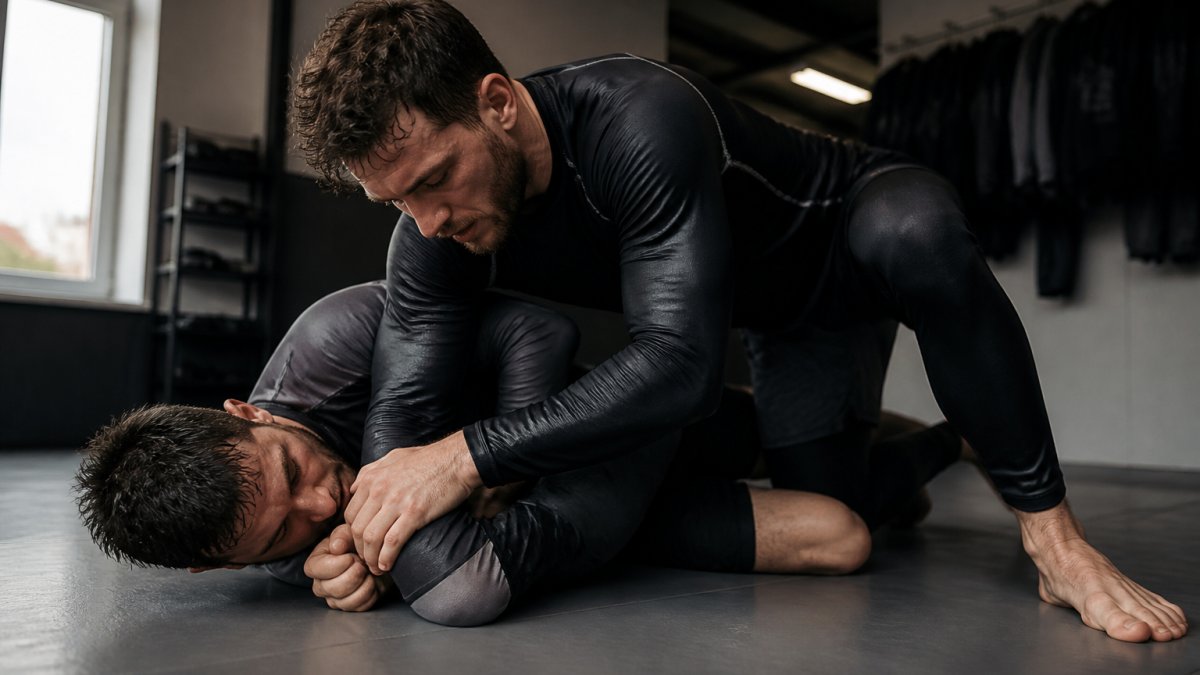
Consider your body and your training style. If you do a lot of overhead work, shoulders need room to move. If you do lower-body training, hips and thighs need freedom. If you grapple, everything needs durability because you'll be on the ground.
The Russ Club collection is designed for serious training through different life stages. Pieces like the Vintage Strength Weightlifting T-Shirt use heavyweight 175-180 g/m² cotton with twin-needle stitching and taped neck and shoulders. This construction is built for durability, not just looks.

When you're choosing gym wear, prioritise fit first. A perfectly durable shirt that doesn't fit right is still a waste of money.
Frequently Asked Questions
What fabric is best for durable gym wear?
Heavy cotton blends and quality synthetic fabrics both perform well. Look for fabric weight of at least 175 g/m² for cotton; heavier fabrics resist pilling and maintain shape longer. Synthetic blends offer moisture-wicking but must be high-quality to avoid degradation. Check the label for fibre composition and avoid overly thin materials that wear through quickly with regular training.
How can you tell if gym clothes are good quality?
Examine the seams first: they should be straight, tight and double-stitched. Feel the fabric weight and density, it should feel substantial, not flimsy. Look for a clear fabric label listing weight in g/m² and fibre content. Quality brands often use pre-washed fabrics to prevent shrinkage.
How should you wash gym wear to make it last longer?
Wash in cold water on a gentle cycle to prevent fabric breakdown and colour fading. Use mild detergent. Air-dry when possible; high heat damages fibres.
Why do gym clothes lose their shape and how do you prevent it?
Poor-quality fabrics lack recovery, the ability to return to original shape after stretching. Thin fabrics pill and bag at stress points like armpits and inner thighs. Prevent this by choosing heavyweight, quality fabrics. Wash in cold water and air-dry to preserve fibres. Store folded or on hangers rather than crumpled in a drawer. Avoid overwashing; let clothes breathe between sessions to maintain structural integrity.
Choosing durable gym wear that actually lasts means understanding fabric weight, stitching quality, and construction. Most gym clothes fail because brands cut corners on these fundamentals. When you know what to look for, and you're willing to pay for quality, your gear lasts years instead of months. The Russ Club team builds every piece with this durability mindset. Shop now and get free shipping on orders over £40.