 comparison
Durable Activewear for BJJ: What Actually Lasts
Table of Contents
- What Makes Durable Activewear for BJJ Different
- Durable BJJ Rash Guards: Fabric, Seams and Fit
- BJJ Grappling Shorts: Why Fit and Construction Matter
- No-Gi BJJ Clothing: What You Actually Need
- How to Wash a BJJ Rash Guard Without Destroying It
- The Real Cost of Cheap Activewear vs Durable Gear
- Transitioning from Training to Everyday Wear
- Conclusion
- Frequently Asked Questions
Last Updated: 9 October 2026
What Makes Durable Activewear for BJJ Different
Durable activewear for BJJ practitioners isn't just regular gym wear with a marketing angle. It's engineered to survive repeated friction, intense stretching, and the specific stresses that come from grappling. When you're rolling, your shoulders rotate through extreme ranges. Your knees compress and twist. Your hips flex and extend under load. Fabric that handles a standard workout falls apart under those conditions.
The difference shows up in three places: the fabric weight, the seam construction, and the fit architecture. Standard activewear uses lightweight synthetics optimised for breathability and movement. BJJ-specific gear prioritises durability first, then adds breathability as a secondary feature. The seams aren't just stitched, they're reinforced at stress points where traditional clothing would tear.
At Russ Club, we've built our approach around the reality that serious grapplers need gear that survives serious training. That means heavyweight cotton blends, taped seams at the shoulders and neck, and construction methods borrowed from workwear rather than fashion.
Durable BJJ Rash Guards: Fabric, Seams and Fit
A proper durable BJJ rash guard starts with fabric weight. Most activewear sits between 140-160 g/m². Quality rash guards for grappling land between 175-200 g/m². That extra weight isn't padding, it's durability. Heavier fabric resists pilling, holds its shape through hundreds of washes, and doesn't thin out where your shoulders and chest experience the most friction.
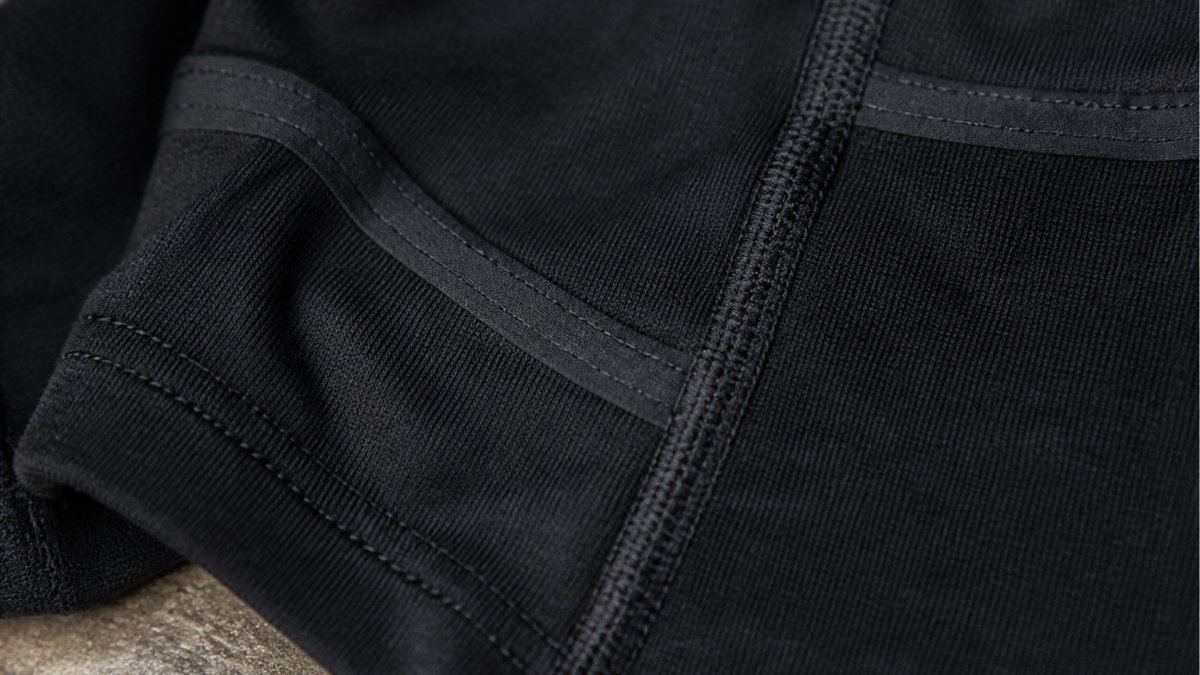
Seam construction separates gear that lasts from gear that unravels. Standard seams are single-stitched and vulnerable at stress points. Durable rash guards use reinforced stitching at the shoulders, neck, and armholes, the exact places your opponent grabs and the fabric experiences maximum tension. Taped seams (where a fabric tape reinforces the stitch line) add another layer of protection. This matters. A single-stitched seam will fail within months of regular rolling. A taped seam survives years.
Fit affects durability too. Oversized rash guards create excess fabric that bunches and tears under pressure. A proper fit sits snug without restricting movement. The sleeve should end mid-forearm, not at your wrist or elbow. The hem should sit just below your hip. This prevents fabric from riding up during rolls or catching on your opponent's grip.
The Jitsu Division Belt T-Shirt from Russ Club uses heavyweight 175 g/m² cotton with taped neck and shoulders. The unisex fit accommodates different body types without excess fabric.

BJJ Grappling Shorts: Why Fit and Construction Matter
Grappling shorts take more punishment than rash guards. They absorb sweat, compress under your body weight during positional grappling, and experience constant friction from leg locks and knee reaping. A poorly constructed pair shreds in weeks. A well-made pair survives years.
The fit is non-negotiable. Shorts that sit too loose will ride up during rolls or slip off during leg lock transitions. Shorts that sit too tight restrict your hip mobility and create hot spots where friction builds. The waistband should sit at your natural waist, not your hips. The inseam should allow full leg mobility without excess fabric below the knee.
Construction priorities differ from rash guards. The waistband needs reinforced stitching because that's where the most stress concentrates. The inner thigh needs gusset construction (an extra panel of fabric) to prevent tearing during hip extension and leg lock escapes. The seams should be flat-felled (folded and stitched twice) rather than single-stitched, which doubles their durability.
Fabric weight matters less for shorts than for rash guards, but material choice still affects longevity. Nylon blends dry faster than pure cotton, but they pill more easily. Cotton-polyester blends offer a middle ground: better durability than pure nylon, faster drying than pure cotton. Look for shorts with reinforced seams at the inner thigh and waistband. That's where failure happens.
No-Gi BJJ Clothing: What You Actually Need
No-gi training uses different gear than gi training because the rules and friction patterns change. Without the gi's heavy fabric to grip, your training partners rely on skin-to-skin contact and tight clothing grips. That means your no-gi gear experiences different stresses than gi-compatible rash guards.
No-gi rash guards need tighter fits than gi rash guards. A loose rash guard gives your opponent too much fabric to grip. The sleeves should end at your shoulder joint, not extend down your arm. The torso should be snug without restricting breathing. Seam placement becomes even more critical because there's no gi to distribute force, all the stress lands directly on your clothing.
Shorts for no-gi training often sit higher on the hip than gi shorts. This prevents your opponent from using the waistband as a grip point during leg lock transitions. The inseam should be shorter (mid-thigh rather than knee-length) to reduce fabric your opponent can grab. Gusset construction is essential because no-gi rolling often involves more explosive hip movement than gi rolling.
Compression wear serves a different purpose in no-gi than in gi training. Some practitioners use compression shorts or tights under their no-gi shorts for additional support and to reduce the surface area available for gripping. This is optional but common among serious no-gi competitors.
How to Wash a BJJ Rash Guard Without Destroying It
Most people ruin their rash guards through washing. High heat, harsh detergents, and aggressive drying break down the fabric and seams far faster than training does. Proper washing extends the life of durable activewear BJJ gear by years.
Rinse immediately after training. Dried sweat is harder to remove and can damage fabric. Use cool water and a gentle rinse, don't soak for extended periods. This removes surface sweat without letting salt and bacteria set into the fabric.
Wash in cool water (30°C or lower) with mild detergent. Avoid fabric softeners and bleach. Softeners coat the fabric and reduce breathability. Bleach weakens cotton fibres. Use a washing machine on a gentle cycle or hand wash if the rash guard has reinforced seams you want to preserve. Turn the rash guard inside out before washing, this reduces friction on the printed artwork and outer surface.
Air dry completely. Never use a tumble dryer. High heat shrinks fabric, weakens elastic fibres, and can damage printed designs. Hang dry or lay flat. This takes longer but preserves the structure and fit of the garment.
Still Rolling Jitsu Division T-Shirt | The Russ Club →
Hard water can damage rash guards over time. If your water is hard, consider using a water softener in your wash cycle. Mineral deposits build up in fabric and reduce durability.
The Real Cost of Cheap Activewear vs Durable Gear
Cheap activewear costs less upfront but far more over time. A £20 rash guard from a high street chain might last 6 months of regular rolling. A £35-50 rash guard from a specialist brand lasts 3-4 years. That's a difference of £40-80 per year in replacement costs. The maths favours durability.
The hidden cost of cheap gear is training disruption. When your rash guard tears mid-roll, you're out of training for the day. When seams fail, you can't roll at all until you buy a replacement. Durable gear eliminates these interruptions. You show up and train without worrying about equipment failure.
Cheap activewear also creates false economy in bulk buying. Some people buy three cheap rash guards thinking they'll last as long as one expensive one. In practice, all three fail within 12 months. You've spent more money and have nothing to show for it.
The quality difference isn't subtle. Durable rash guards use heavyweight fabric (175-200 g/m²) versus lightweight fabric (140-160 g/m²). They use taped seams versus single stitches. They use reinforced construction at stress points versus standard seaming throughout. These aren't premium features, they're the baseline for gear that actually survives grappling.
Russ Club's pricing reflects this construction standard, not premium branding. The Still Rolling Jitsu Division T-Shirt at £19.99 uses heavyweight cotton with taped neck and shoulders.

Transitioning from Training to Everyday Wear
The best durable activewear BJJ pieces work as everyday clothing too. You train in it, then wear it to work or the shops without changing. This versatility reduces the total number of clothes you need and gets more use from each piece.
The key is fit and aesthetic. Oversized gym wear looks out of place in everyday settings. Well-fitted rash guards and training shorts work as casual clothing because they're designed for movement and comfort, not just performance. A heavyweight cotton rash guard with clean artwork transitions seamlessly from the mat to the coffee shop.
Colour choice matters for everyday wear. Black and white work everywhere. Military green works with most casual outfits. Bright neon colours are harder to style outside of training. If you want gear that genuinely bridges both worlds, stick with neutral colours.
The Still Rolling Jitsu Division T-Shirt from Russ Club comes in white, black, and military green, all colours that work for training and everyday wear. The heavyweight cotton construction means it holds its shape and colour through both intense training and regular washing. That's the mark of gear designed for real use, not just marketing.
Durability becomes more valuable when you wear the same piece daily. A rash guard that survives 3 years of twice-weekly rolling will definitely survive 3 years of daily wear. The opposite isn't true, cheap gear fails faster under daily use.
Conclusion
Durable activewear for BJJ practitioners requires specific construction standards: heavyweight fabric (175+ g/m²), taped seams at stress points, and reinforced stitching where tension concentrates. Cheap alternatives fail within months. Quality gear lasts years and costs less per use.
The real advantage of durable gear isn't just longevity, it's reliability. You show up to training knowing your equipment won't fail. You transition seamlessly from the mat to everyday life without changing. You get more value from fewer pieces of clothing.
Choosing durable activewear means investing in gear that survives serious training instead of constantly replacing failed equipment. Russ Club's heavyweight cotton rash guards and t-shirts use taped seams, reinforced construction, and fit designed for grappling. The Still Rolling Jitsu Division T-Shirt at £19.99 is a durable option. Shop Now and train with confidence.
Frequently Asked Questions
What makes durable activewear for BJJ different from regular gym clothes?
BJJ gear absorbs sweat, friction from rolling, repeated washing and contact with mats. Durable activewear uses heavyweight fabrics (175-180 g/m² or higher), reinforced seams with taped shoulders and neck, and pre-washed cotton that resists shrinkage.
How often should you replace a BJJ rash guard?
With proper care, a rash guard can last for a significant period. Quality matters: heavyweight cotton rash guards are designed to withstand numerous training sessions.
Can you wear BJJ activewear outside the gym?
Yes, if it's designed for both. Durable BJJ gear like heavyweight graphic tees works as everyday wear because the fabric is sturdy, the fit is clean and structured, and the artwork reflects character rather than gym-only branding. This dual-purpose approach means one piece serves training and casual outings.
What's the difference between BJJ rash guards and regular gym tops?
BJJ rash guards use reinforced seams, taped construction at the collar and shoulders, and heavier fabric to resist friction from rolling and repeated washing. Regular gym tops typically have single-stitched seams and lighter fabric that may pill, tear and shrink.